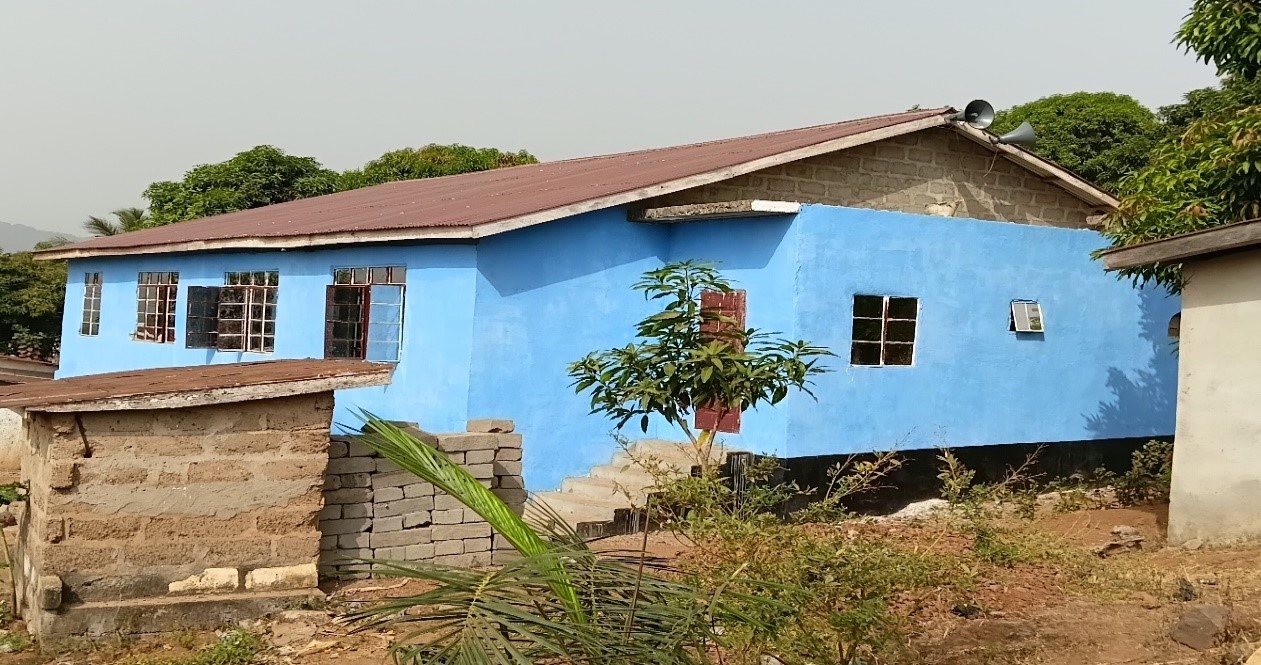
The official opening of Masjid Rasululllah, a new mosque complex intended to meet the social and spiritual requirements of locals, was a historic event for the New England, Waterloo Community on Friday, February 13, 2026. In order to promote community welfare, the project, which has taken years to plan and build, includes a mosque, a water well, an imam's office, a library, and a mortuary facility.
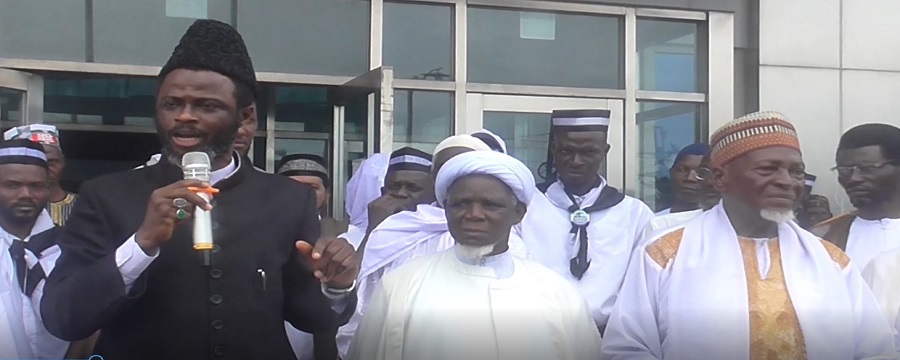
The opening ceremony, which many referred to as a historic step forward for the community religious life and social support; was attended by local government representatives, Islamic scholars, youth organizations, and residents from the surrounding communities.
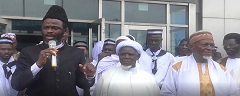
Delivering his sermon on the topic of the mosque's role in community development, officiating Imam Dr. Ibrahim Salieu Kamara stressed that the mosque serves as a hub for social development, education, unity, and consultation in addition to being a place of prayer. He reminded attendees that a mosque was the first establishment made in Medina during the Prophet Muhammad's migration, emphasizing the mosque's crucial role in creating a cohesive and morally upright society.
Dr. Salieu emphasized that mosques have historically served as forums for discussing local problems, settling conflicts, exchanging knowledge, and planning philanthropic endeavors. He pointed out that the Masjid Rasulullah is a complex combining this custom by fusing prayer with necessary amenities like clean water, educational materials from the library, administrative support from the Imam's office, and respectable funeral assistance from the mortuary.
Speaking about the significance of constructing mosques, Sheikh Fomba Abubakarr Swarray referenced a number of Quranic verses and hadiths that encourage Muslims to help build mosques. Such endeavors, he clarified, are regarded as enduring acts of generosity, offering those who assist a spiritual reward and continuous blessings.
In his remarks, the mosque's sponsor, Alhaji Mohamed Wusha-Conteh, urged the community people to take good care of and use the mosque so that it continues to be a place of compassion, education, and peace. "Mosque bring people together regardless of social status, ethnicity, or background," he reaffirmed. It promotes peaceful coexistence, brotherhood and sisterhood, and the peaceful resolution of disputes through communication and understanding.
The mosque is more than just a structure, according to Alhaji Wusha; it is the community's lifeblood. It fosters solidarity, encourages service, and strengthens faith. A well-maintained mosque not only promotes spiritual development but also the general peace, stability, and advancement of society. He expressed gratitude to the project's few contributors and said that the project was successful in spite of its difficulties.
Community representatives expressed gratitude to Allah Almighty, the initiator Alhaji Wusha-Conteh, volunteers, and those who contributed to the project. They described the mosque as a symbol of unity and development, noting that the water well will serve not only worshippers but also nearby households, while the library will support religious and educational growth among young people.
The community warmly received the project as a welcome intervention that enhances the social and religious support networks in the community. Many said they hoped that Masjid Rasululllah would encourage similar projects and foster peace, order, and group development in Waterloo and beyond.
The ceremony concluded with prayers for peace, community development, and continued cooperation among residents, as Masjid Rasululllah officially begins its role as a spiritual and social hub for the people of Waterloo.